

Essential Homeowner Maintenance Tips for Every Season

A home rarely falls apart all at once. Most costly repairs start as small, quiet problems: a clogged gutter, a worn caulk line, a loose handrail, a dirty filter, or a tiny roof leak that no one notices until the ceiling stains.
Seasonal maintenance helps catch those issues early. It also makes the work feel manageable. Instead of trying to remember everything at once, you can match tasks to the weather, the way your home is being used, and the risks that come with each season.
This guide walks through practical homeowner maintenance tips for spring, summer, fall, and winter, with a few year-round habits that protect your home in every season.

Fall is the season to prepare before cold weather arrives
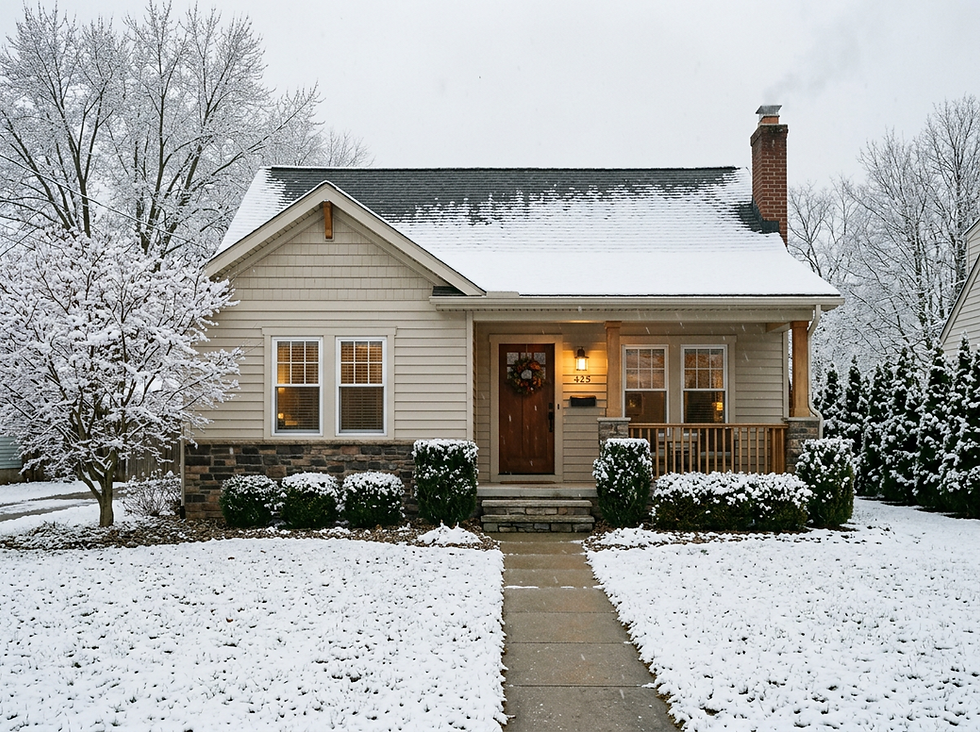
Fall is one of the most important maintenance seasons because it gives you a short window to get ready for freezing temperatures, heavy rain, snow, and wind. For homeowners in Dayton and Columbus, Ohio, fall is coming, and the same basic preparation applies across much of the country.
Start with leaves. Clean gutters after most nearby trees have dropped their leaves, and check them again if your roofline sits under large trees. Clogged gutters can cause water to spill over the edges, soak fascia boards, and collect near the foundation.
Next, protect plumbing. Disconnect garden hoses before freezing weather. Drain and store hoses, then shut off and drain exterior faucets if your home has interior shutoff valves. Frost-free hose bibs still need hoses removed, because a connected hose can trap water and increase the risk of freezing.
Fall is also furnace season. Replace the HVAC filter, test the heat before you truly need it, and schedule service if the system smells unusual, short cycles, or does not heat evenly. If your home has a fireplace or wood stove, have the chimney and flue cleaned before regular use.
Professional home inspectors often look at many of these same areas when evaluating visible home conditions:
Fall task | What to check |
Roof and flashing | Missing shingles, damaged seals, loose metal, debris in valleys |
Gutters | Leaf buildup, loose hangers, poor drainage at downspouts |
Exterior caulk | Gaps around windows, doors, vents, and trim joints |
Heating system | Filter, thermostat response, unusual sounds or smells |
Fireplace and chimney | Creosote buildup, damaged masonry, proper draft |
Exterior faucets | Hoses removed, freeze protection in place |
Weatherstripping | Drafts around doors and windows |
Fall is also the right time to inspect attic ventilation and insulation from accessible areas. Poor attic ventilation can contribute to moisture problems. Gaps in insulation can make rooms less comfortable and raise heating costs. If you see stains, wet insulation, mold-like growth, or daylight around roof penetrations, schedule a qualified evaluation.
Walk around the yard before winter, too. Trim branches that touch the roof or siding. Store patio furniture or secure it against high winds. Drain and winterize irrigation systems where needed. Make sure sump pump discharge lines are clear and directed away from the foundation.
Small details matter in fall. Replace worn door sweeps. Check that exterior lights work before shorter days arrive. Clean window wells and make sure covers are secure if you use them.

Habits prevent expensive surprises
One of the best habits is a monthly walk-through. It does not need to be formal. Spend 15 minutes looking under sinks, around the water heater, near the furnace, in the basement, and along exterior walls. Use your senses. Many home issues show up as smells, sounds, stains, or changes in how something works.
Pay attention to:
New cracks in walls, ceilings, masonry, or foundation areas
Doors or windows that suddenly stick
Musty odors in basements, closets, or bathrooms
Unusual HVAC noises
Warm outlets or flickering lights
Slow drains or gurgling plumbing
Water stains or soft flooring
Keep a simple home maintenance record. A notebook, spreadsheet, or phone note is enough. Record filter changes, appliance service, roof repairs, plumbing work, pest treatments, and major improvements. This helps you track patterns and gives useful information to contractors, future buyers, or inspectors.
Build a small homeowner toolkit if you do not already have one. Include:
Flashlight
Tape measure
Adjustable wrench
Screwdrivers
Utility knife
Work gloves
Stud finder
Level
Plunger
Caulk gun
Basic ladder
Replacement HVAC filters
Know your limits. Many maintenance tasks are safe for a careful homeowner, but some work belongs to licensed or qualified professionals. Electrical panel repairs, major plumbing changes, roof work, gas line issues, structural concerns, and chimney defects can create serious risks if handled improperly.

The most useful maintenance plan is the one you will actually follow. Start with the high-risk areas first: water control, heating and cooling, roofing, electrical safety, and fire protection. Then add the smaller comfort and upkeep tasks as time allows.
A well-maintained home is not perfect. It is watched, cared for, and corrected before small issues spread. Walk the property each season, write down what you find, and handle the simple tasks before the weather changes. That steady attention can protect comfort, safety, and the long-term value of the home.

Comments